VooSust Team

About Us

VooSust is an organization that centers its principles on sustainability. Our mission is to provide solutions that minimize environmental impacts, deliver societal benefits, and leave a sustainable world for future generations.

Sustainability reporting & carbon footprint measurement
Carbon management & offsetting solutions
Sustainable logistics & supply chain optimization
Life cycle analysis & certification processes

OUR SERVICES

Comprehensive sustainability solutions for your business

SUSTAINABILITY MANAGEMENT

Comprehensive sustainability consulting and ESG solutions

View Details
  • Sustainability Consulting
  • Net-Zero Road Map
  • ESG Consulting
  • ESG Maturity Analysis
  • Sustainability Reporting (GRI-TSRS)
  • Green Certification Consultancy
  • EU-ETS and CBAM Consultancy
  • EcoVadis Consultancy
  • Corporate Sustainability Training

PROJECT MANAGEMENT

Strategic project management for sustainable initiatives

View Details
  • Renewable Energy
  • Fuel and Energy Efficiency Management
  • Waste and Resource Management Solutions
  • Logistics and Supply Chain Solutions

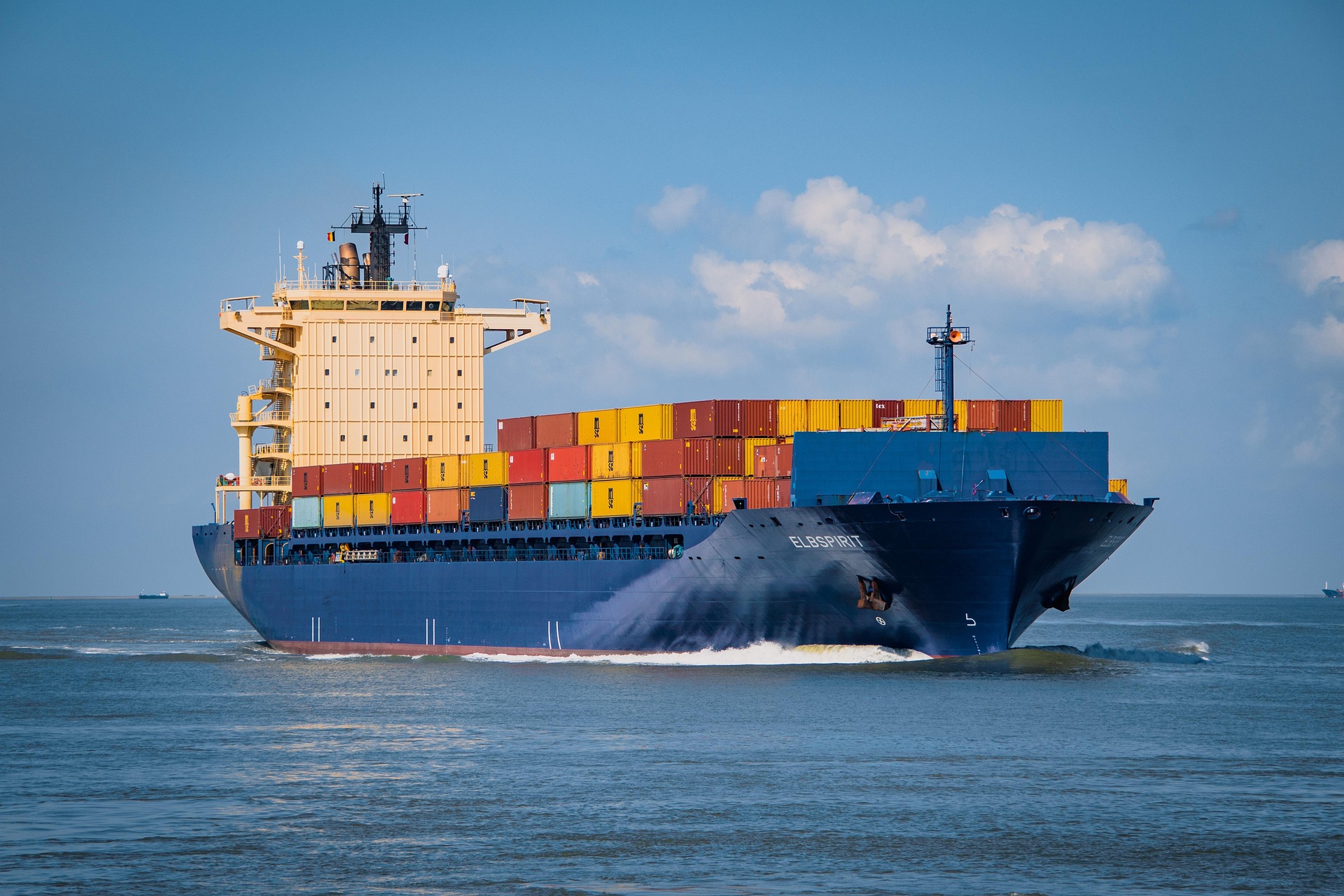
MARITIME & LOGISTICS ENVIRONMENTAL CONSULTANCY

Specialized maritime sustainability solutions

View Details
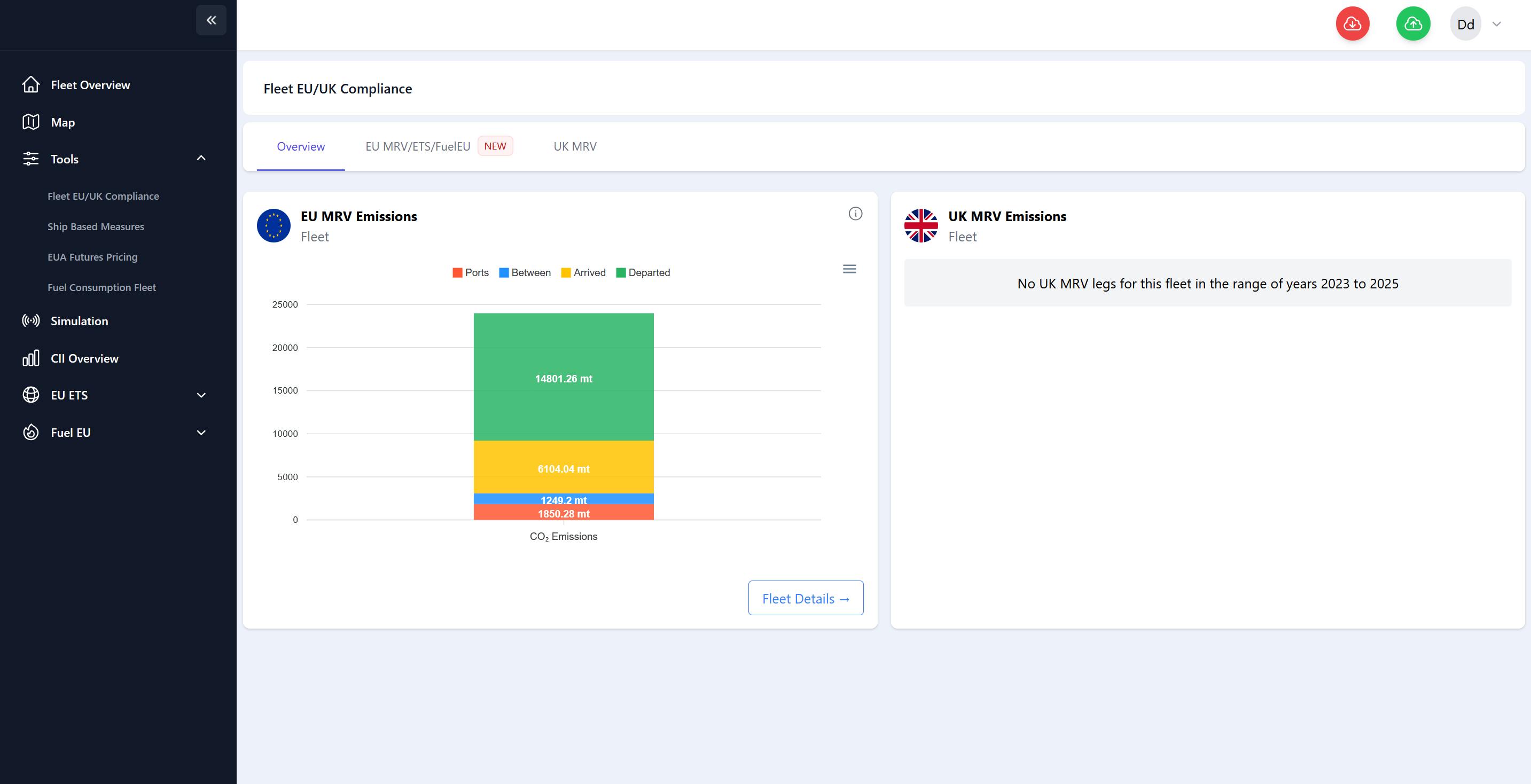
  • EU-ETS (European Union Emission Trading System)
  • MRV (Monitoring Reporting and Verification)
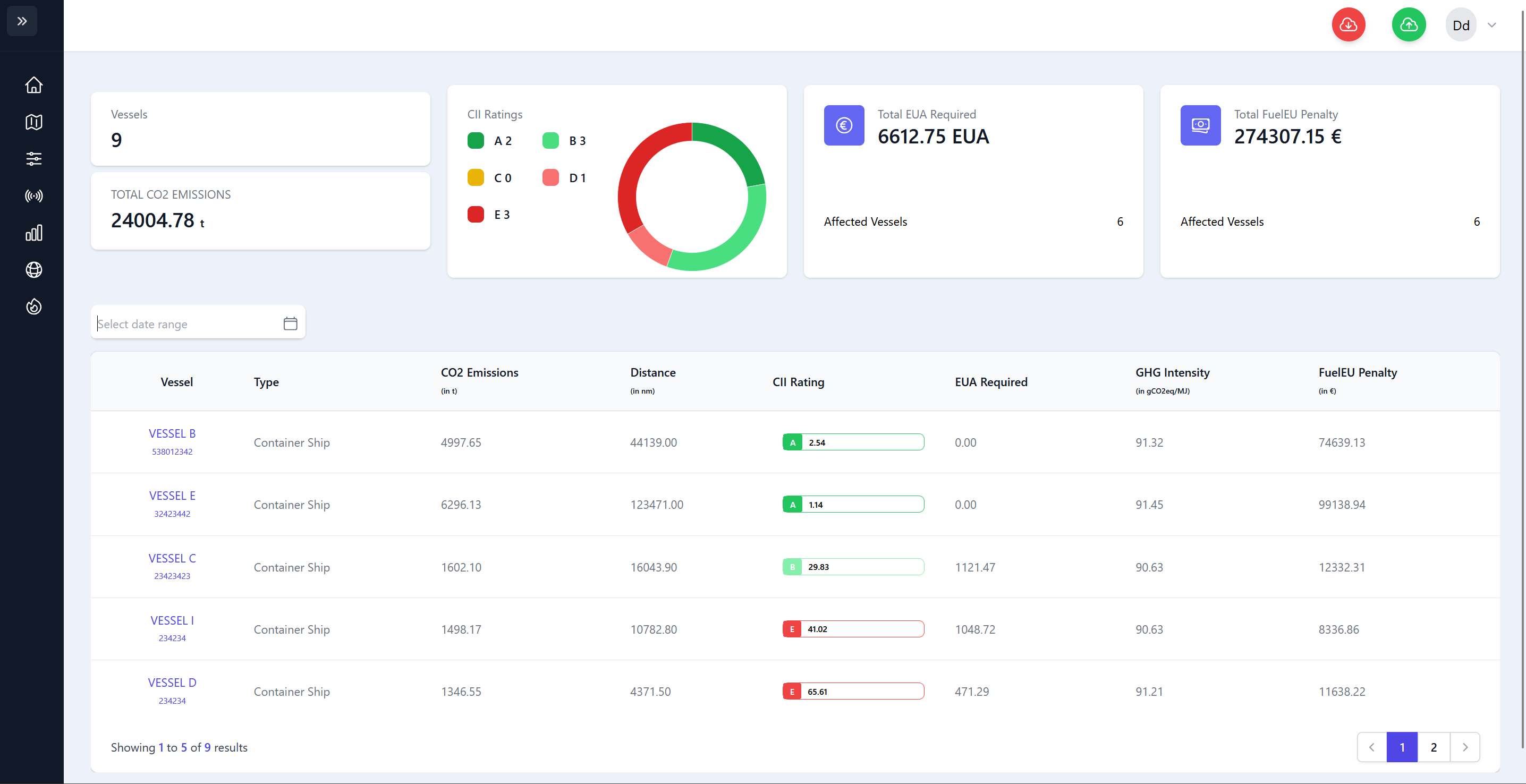
  • CII (Carbon Intensity Indicator)
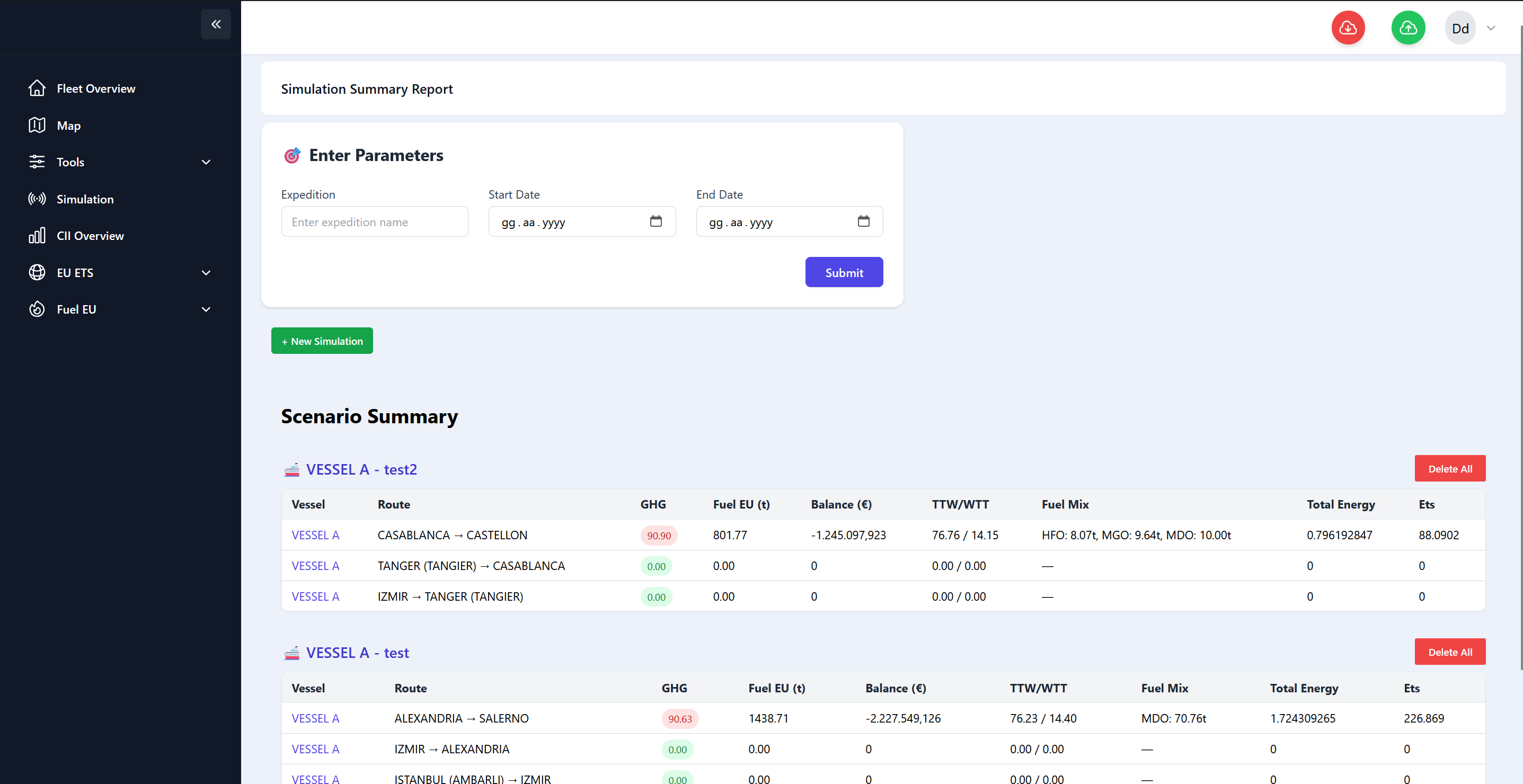
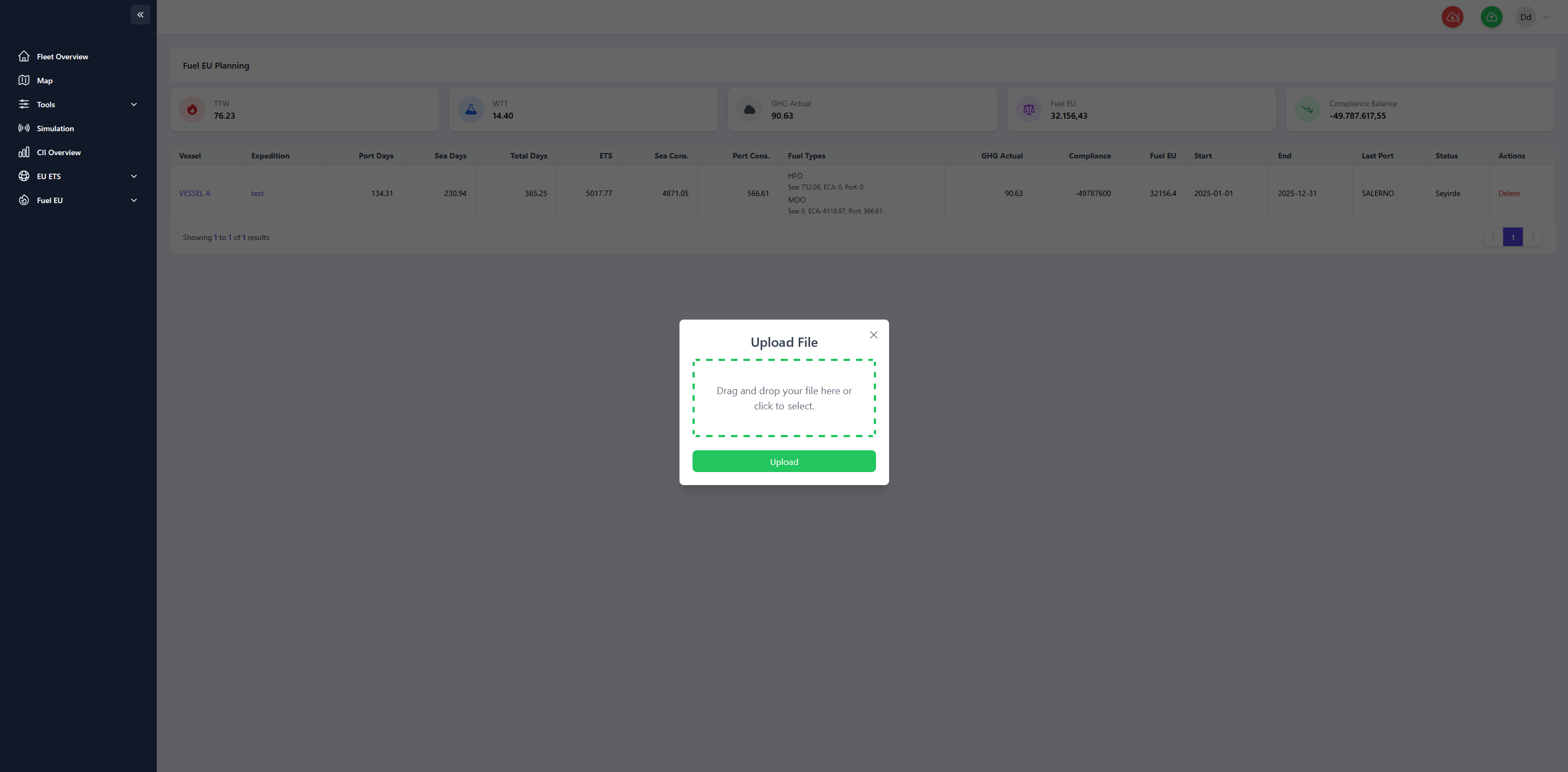
  • Fuel-EU
  • EUA Transfer

CLIMATE CHANGE & DECARBONIZATION

Advanced carbon management and climate solutions

View Details
  • Carbon Footprint Calculation and Reporting
  • Carbon Footprint Decision Support Systems
  • Carbon Offsetting
  • Carbon Market Consultancy
  • Carbon Credit Management
  • EUA Transfer Service
  • SBTI (Science Based Targets Initiative) Compliance
  • CTI (Carbon Transparency Initiative) Compliance


Carbon Calculate For Office

This tool helps you measure the carbon footprint of your office activities, allowing you to make informed decisions about carbon offsetting.

Enter the required parameters to calculate the total carbon emissions generated by your office over a specific period.

By accurately calculating your office's carbon emissions, you can contribute to reducing environmental impact and promoting sustainability.

Package Details

Emission Calculator

CERTIFICATES

Our Team

Orçun ERBAYRAKTAR

CO-FOUNDER

Volkan ÇETİNKAYA

CO-FOUNDER

Onur AKDAŞ

CO-FOUNDER

Berkay AKAN

FULL STACK DEVELOPER

Burak Danaoğlu

Burak DANAOĞLU

DATA ANALYST AND OPERATION ASSISTANT

FAQ

A net zero target means that a company, institution, or country aims to completely eliminate its greenhouse gas emissions into the atmosphere. This is usually achieved by reducing emissions and offsetting the remaining emissions. To set net zero targets, companies must first calculate and analyze their current emissions. Then, they should set specific targets and strategies to reduce these emissions.

Net zero targets include tracking the carbon footprint. To achieve net zero targets, companies must continuously monitor and aim to reduce their carbon footprints. The carbon footprint represents the total amount of greenhouse gases directly and indirectly emitted by an individual, company, or product. The carbon footprint is usually calculated in CO2 equivalent (CO2e). The calculation includes emissions from energy consumption, transportation, waste management, and other activities. Tracking these emissions by companies and governments is necessary. Emission Trading Systems implemented worldwide allow for this tracking by governments. One of the first systems implemented in this regard is the EU-ETS.

The EU Emission Trading System (EU ETS) is an emission trading system established by the European Union to reduce carbon emissions. In this system, a certain amount of emission allowances (cap) is determined, and companies can trade these allowances. Companies can sell their surplus allowances if they reduce their emissions below the cap or buy allowances if they need to offset their emissions. An additional tax is applied to the carbon emissions of imported products under the EU ETS. This system is named CBAM (Carbon Border Adjustment Mechanism).

The Carbon Border Adjustment Mechanism (CBAM) is an application of the European Union that works according to the carbon content of imported products. CBAM is applied to ensure a level playing field between domestic producers and importers and to prevent carbon leakage. Mechanisms such as the EU-ETS and CBAM encourage companies to monitor and reduce their carbon emissions and achieve sustainability targets.

Sustainability is the ability to meet the needs of future generations by preserving natural resources and balancing environmental, social, and economic factors. Companies that comply with ESG criteria are perceived as more reliable and responsible by investors, customers, and other stakeholders. Additionally, companies with high ESG performance have a higher likelihood of achieving long-term financial success and sustainable growth, and they need to report this performance.

A sustainability report is a document that explains a company's environmental, social, and economic performance and progress towards sustainability goals. These reports allow companies to transparently share their sustainability efforts, achievements, and future goals. Two widely used standards for this reporting in the world and Turkey are GRI Standards, which provide guidelines for companies to report their economic, environmental, and social impacts, and TSRS (Turkey Sustainability Reporting Standards), which guide sustainability reporting for companies operating in Turkey. Companies in Turkey with annual total assets of 500 million Turkish Liras, annual net sales revenue of 1 billion Turkish Liras, and meeting any two of the criteria of employing 250 people are required to report sustainability under TSRS.

A carbon credit is a certificate representing the reduction, removal, or avoidance of one ton of carbon dioxide (CO2) or an equivalent amount of another greenhouse gas emission. These certificates are produced by emission reduction projects and can be bought and sold in voluntary or regulatory carbon markets. Certified carbon credits can be bought and sold in voluntary or regulatory carbon markets. Companies and individuals can purchase these credits to offset their carbon footprints.

Companies and individuals can offset their emissions by purchasing carbon credits. For example, if a company has an annual carbon footprint of 10,000 tons of CO2, it can offset this amount by purchasing 10,000 carbon credits. Carbon offsetting is an important strategy, especially for organizations aiming to achieve net zero targets.

CONTACT US

Doğuş Caddesi No: 207/Z
DEÜ Tınaztepe Yerleşkesi
Buca 35390 İzmir/Türkiye

Contact us

info@voosust.com Click here.

Phone Number

+905333572747 Click here.